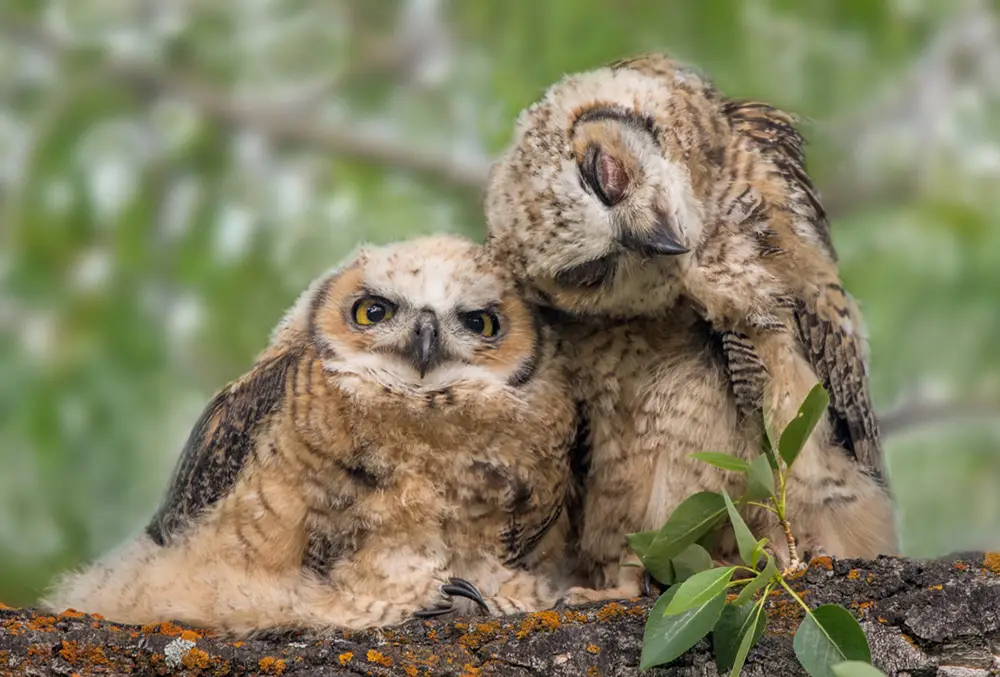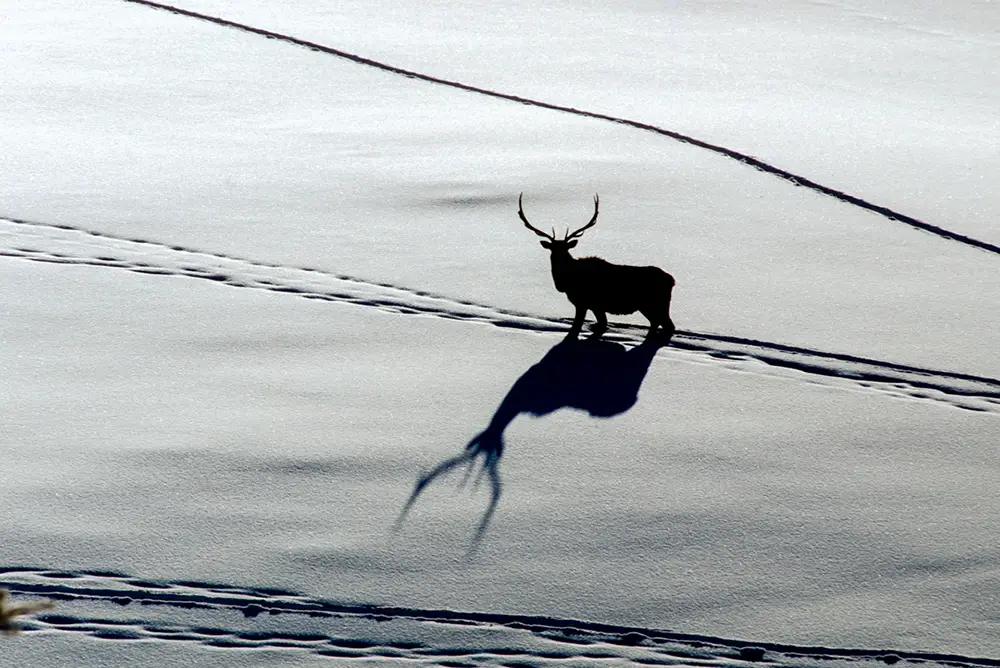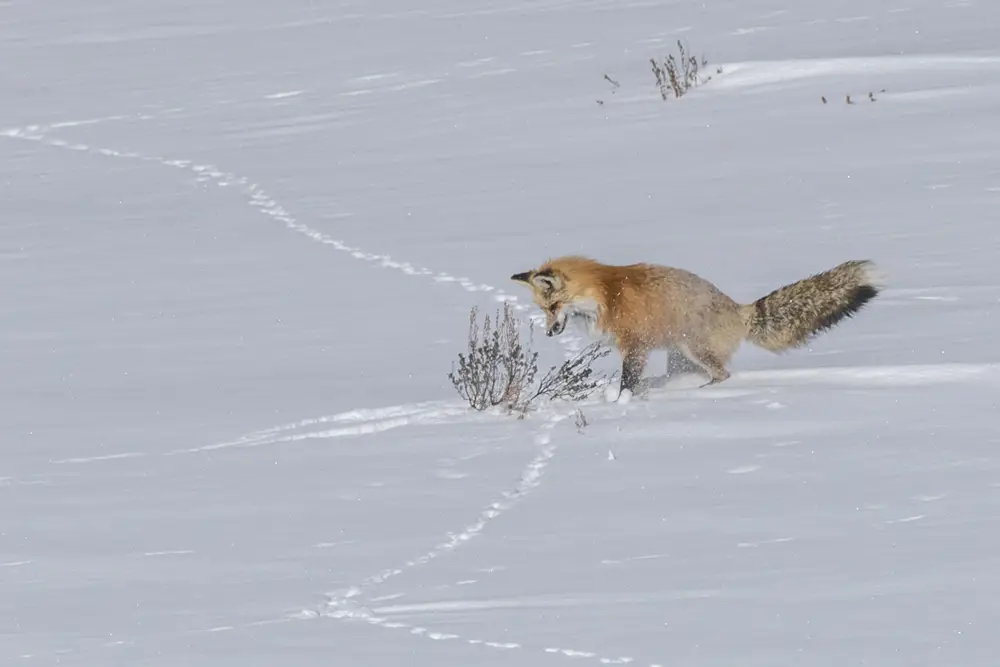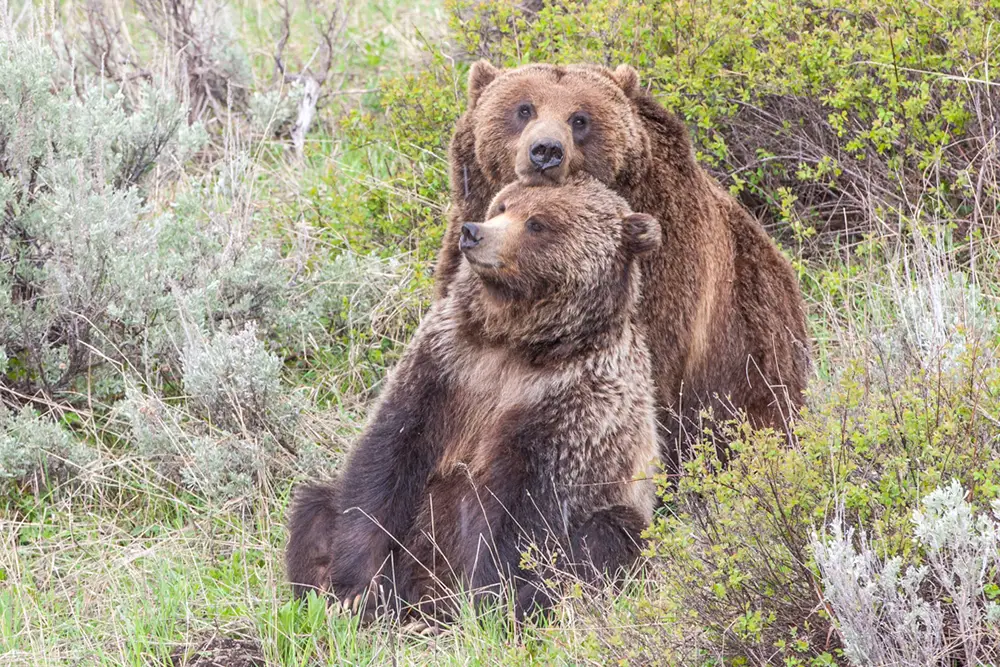
PROTECT WILDLIFE BY PRESERVING WILDERNESS
Secure the Gallatin Range … as an extension of Yellowstone National Park… as wilderness to achieve an intact landscape for wildlife
WHAT WE DO
We advocate maintaining current legal status of the Hyalite Porcupine Buffalo Horn Wilderness Study Area
About US
We are individual Montana citizens, conservationists, business owners, scientists, and journalists, who are intimately familiar with the Gallatin Range.
RESOURCES
Scientific Assessments, Commentaries and Letters, Popular Press
Statement
OUR MISSION
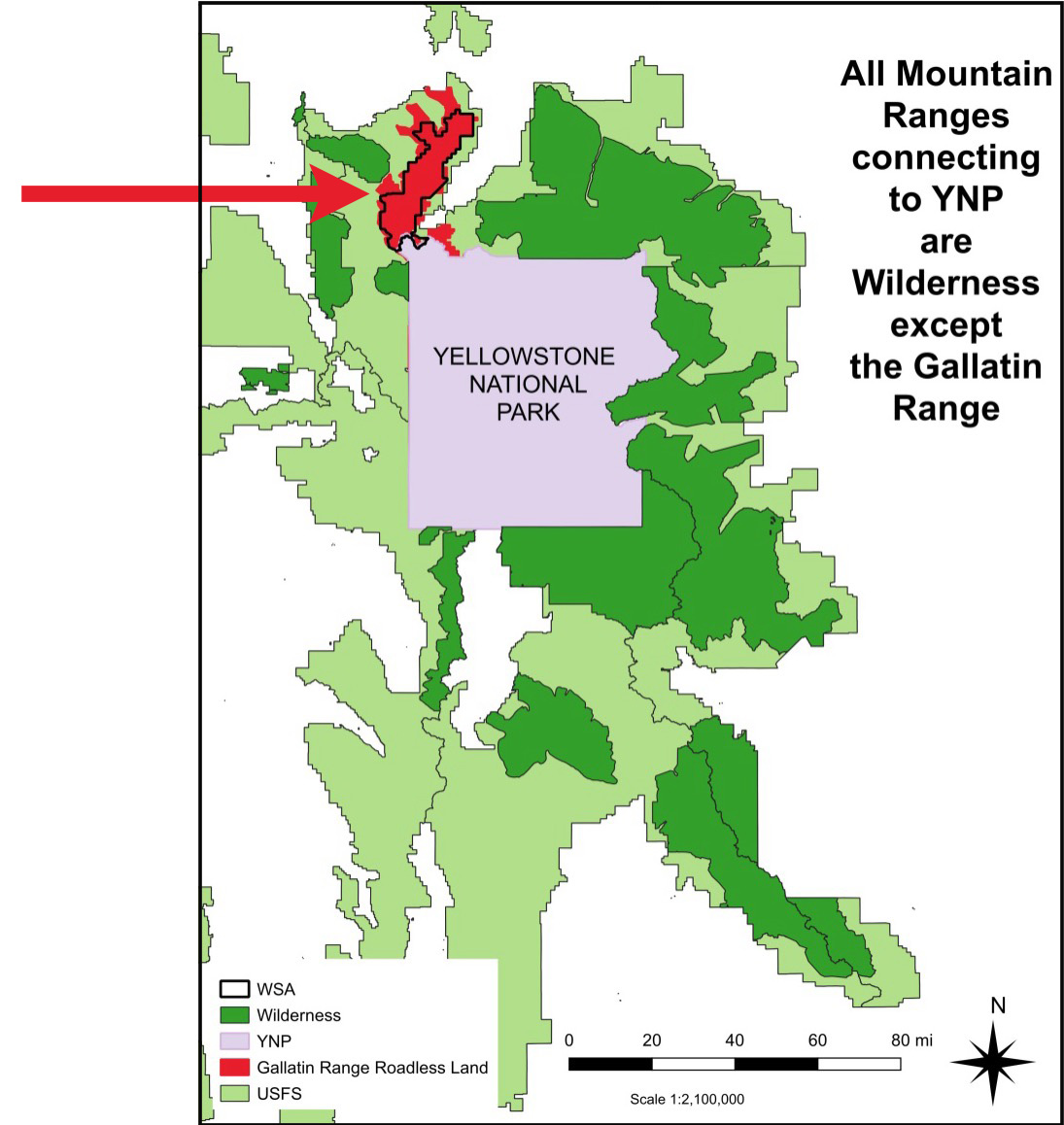
We advocate for protecting wildlife by preserving wilderness that is intact and connected in the Gallatin Range and the Greater Yellowstone Ecosystem, especially the entire Hyalite Porcupine Buffalo Horn Wilderness Study Area
We do so by:
- Taking policy positions
- Providing scientific analysis and historical context
- Communicating objective information to the public and policy makers
- Seeking common ground through discussion forums
ACTION ALERT
Please contact members of Congress (info below)
Download full document explaining these principled positions.
Oppose Montana Sportsmen Conservation Act – S.3527
Sponsored by Sen. Daines (MT): removes Wilderness protections from the Middle Fork Judith (81,000 acres), Hoodoo Mountain (11,380 acres), and Wales Creek (11,580 acres) Wilderness Study Areas (156 sq. miles). These WSAs restrict motorized access, logging, and mining—not hunting, fishing, and camping.
- They help ensure pure water and clean air. They provide crucial habitat for elk, mule deer, and other species.
- They provide undisturbed public land for wildlife watching, hiking, hunting, fishing, canoeing, camping, and horseback riding.
- This bill would open these WSAs to roading, logging, and mining.
Oppose Fix Our Forests Act – S.1462, HR. 471
The Fix Our Forests Bill, co-sponsored by Sen. Sheehy (MT), would increase wildfire risk, degrade water quality, and impair wildlife habitat. It flies in the face of 60 years of forest science.
Check out a useful analysis and reasons to oppose the act.
- This forest giveaway hands public lands to industry and vested interests.
- Greatly limits public input; current environmental reviews for logging up to 400 sq miles in “fire-shed areas” would be cut.
- This act would worsen wildfire risk in many places.
- The act overlooks impacts of climate change, the primary driver—not fire suppression or management efforts—of increased wildfires.
- Some dry, low-elevation forests in Montana may benefit, but not more abundant middle- and higher-elevation ones.
Oppose Rescinding the Roadless Rule
The U.S. Department of Agriculture plans to rescind the 2001 Roadless Area Conservation Rule, which recognizes unique values of 59 million acres (92,000 sq miles) of U.S. less-developed national forests.
- Roadless areas help ensure clean water, high quality wildlife habitat, and provide unparalleled outdoor recreation.
- Within the GYE, roadless areas often provide wildlife connectivity needed between GYE and other wildlands.
- Removing roadless protections opens lands to logging, road building, mining, and increased fire frequency from human ignitions.
Support the Community Protection and Wildfire Resilience Act, S. 3609
Sponsored by Sens. Sheehy (MT) and Padilla (CA), it would establish grants for hardening homes and other structures, public education programs, and evacuations plans. Home and structure hardening is the best, most cost-effective way to protect human life and property from wildfires.
ACTION ALERT
Please let the Montana Congressional Delegation know your views on these issues.
U.S. Senator Steve Daines – Washington D.C. office: 202-224-2651
https://www.daines.senate.gov/services/email-steve/
U.S. Senator Tim Sheehy – Washington D.C. office: 202-224-2644
https://www.sheehy.senate.gov/contact/
Rep. Troy Downing: (202) 225-3211
https://downing.house.gov/contact
Rep. Ryan Zinke: (202) 225-5628
2026 Montana Statewide Survey Key Findings
University of Montana Crown of the Continent and Greater Yellowstone Initiative 2026 Montana State
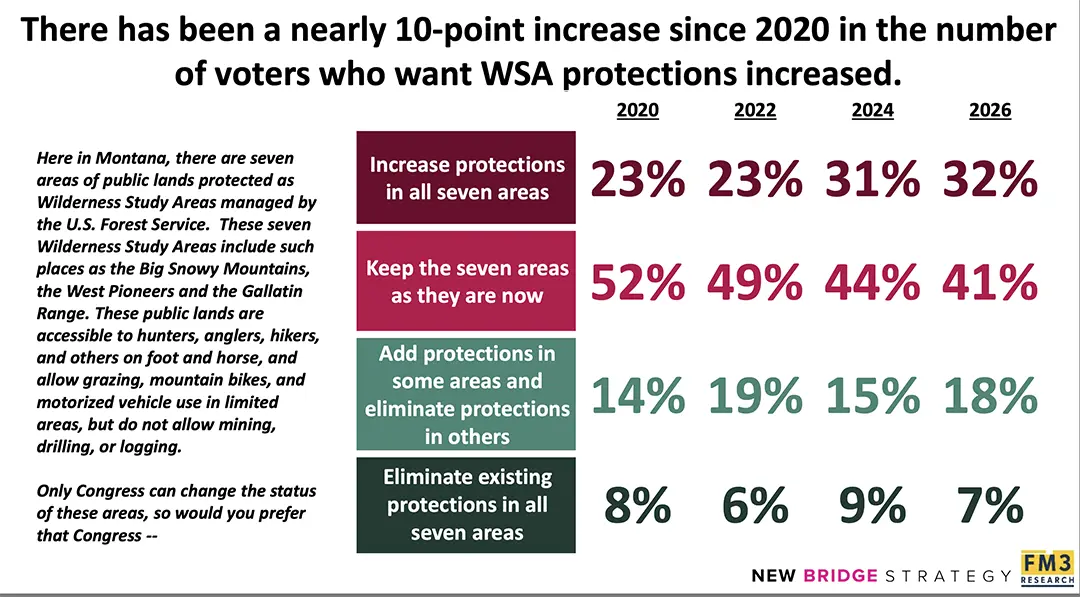
Credit: U of Montana Crown of the Continent and Greater Yellowstone Initiative, 2026 Montana Statewide Survey Key Findings. The survey is bipartisan.
Almost three-quarters of Montanans believe that WSA protections should be maintained or increased, significantly higher than just six years ago. This robust support is across party lines and state demographics.
What we do
POLICIES WE ADVOCATE FOR
Maintain current legal status of the Hyalite Porcupine Buffalo Horn Wilderness Study Area
Why:
- Maintain all 155,000 acres as wilderness.
- Protect highly sensitive wildlife habitat including areas in West Pine and Porcupine-Buffalo Horn.
- Reduce habitat fragmentation and maintains core security habitat for wildlife.
- Better maintain vital connectivity to the Glacier Ecosystem to the north.
- Maintain current watershed protection.
- Aim to reduce climate change impact on the Gallatin Range, which acts as a climate refuge.
Scientific analysis of wildlife in the Gallatin Range:

Maintain current legal status of the Hyalite Porcupine Buffalo Horn Wilderness Study Area
Why:
- Maintain all 155,000 acres as wilderness.
- Protect highly sensitive wildlife habitat including areas in West Pine and Porcupine-Buffalo Horn.
- Reduce habitat fragmentation and maintains core security habitat for wildlife.
- Better maintain vital connectivity to the Glacier Ecosystem to the north.
- Maintain current watershed protection.
- Aim to reduce climate change impact on the Gallatin Range, which acts as a climate refuge.
Scientific analysis of wildlife in the Gallatin Range:
Any new Congressional act—short of giving this WSA protection under the 1964 Wilderness Act—will likely erode current protections.
POLICIES WE CAUTION AGAINST
The Greater Yellowstone Conservation and Recreation Act
Why:
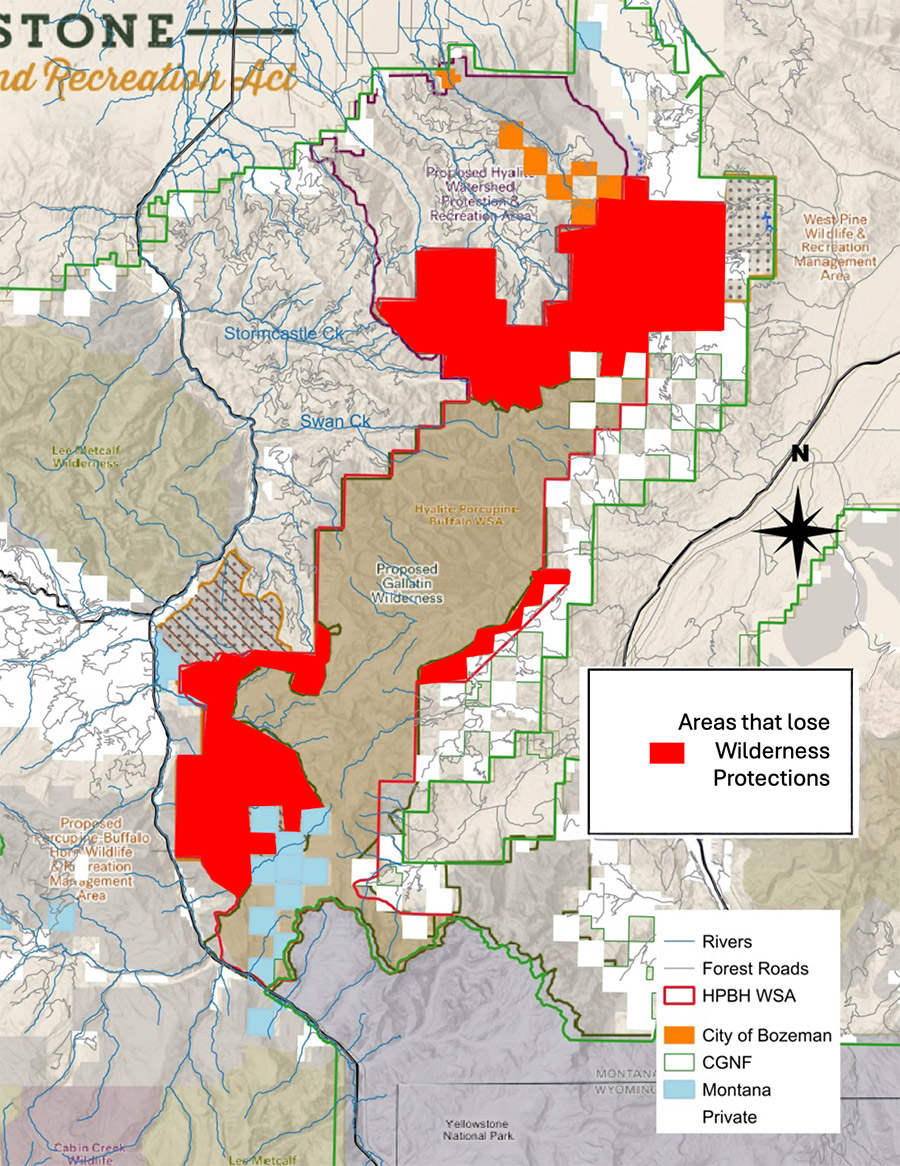
- The Act removes 41% (63,000 acres) of the WSA from wilderness protections.
- The Act codifies possibly illegal mechanized and motorized recreation.
- Vegetation management and fuels treatment are permitted. In some areas commercial logging is allowed.
- The GYCRA constrains wildlife connectivity, exacerbates the continuing and accelerating effects of climate change, and places additional stress on wildlife.
- In 100 square miles now protected as Wilderness, the GYCRA would permit so many new human activities involving power, noise, emissions, and disturbance of wildlife that it cannot be seen as a compromise or “balanced” proposal.
Scientific analyses of the GYCRA:
The Greater Yellowstone Conservation and Recreation Act
Why:
- The Act removes 41% (63,000 acres) of the WSA from wilderness protections.
- The Act codifies possibly illegal mechanized and motorized recreation.
- Vegetation management and fuels treatment are permitted. In some areas commercial logging is allowed.
- The GYCRA constrains wildlife connectivity, exacerbates the continuing and accelerating effects of climate change, and places additional stress on wildlife.
- In 100 square miles now protected as Wilderness, the GYCRA would permit so many new human activities involving power, noise, emissions, and disturbance of wildlife that it cannot be seen as a compromise or “balanced” proposal.
Scientific analyses of the GYCRA:
The GYCRA constrains wildlife connectivity, exacerbates the continuing and accelerating effects of climate change, and places additional stress on wildlife.
Scientific Analysis
Why Wildlife Need a Large Intact Wildland Ecosystem
Climate and soils in the GYE cause wildlife species to specialize on high- or low-elevation habitats or to migrate seasonally among habitats. Consequently, the large area of diverse wildland habitats is needed to maintain Yellowstone wildlife.
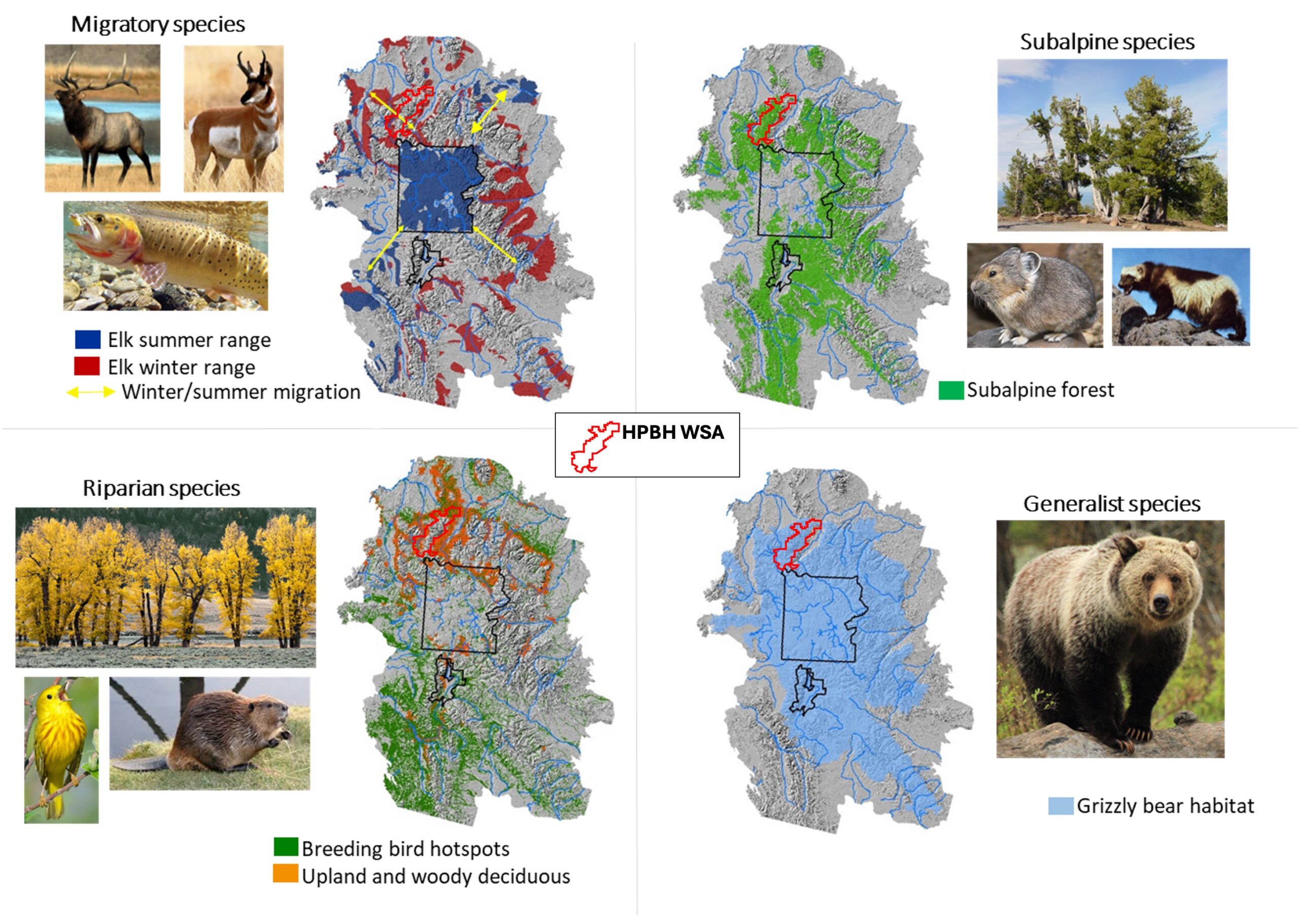
Climate and soils in the GYE cause wildlife species to specialize on high- or low-elevation habitats or to migrate seasonally among habitats. Consequently, the large area of diverse wildland habitats is needed to maintain Yellowstone wildlife.
Threats and Wildlife Values of the Gallatin Range
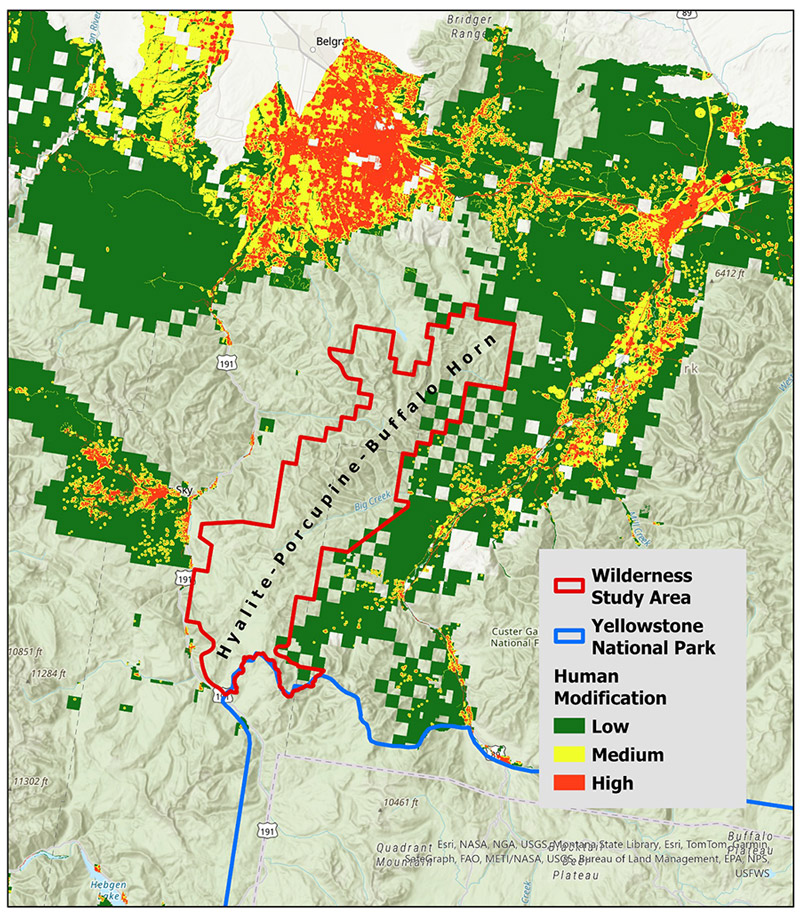
The WSA is surrounded by intense human pressure from Big Sky, Bozeman and the Paradise Valley.
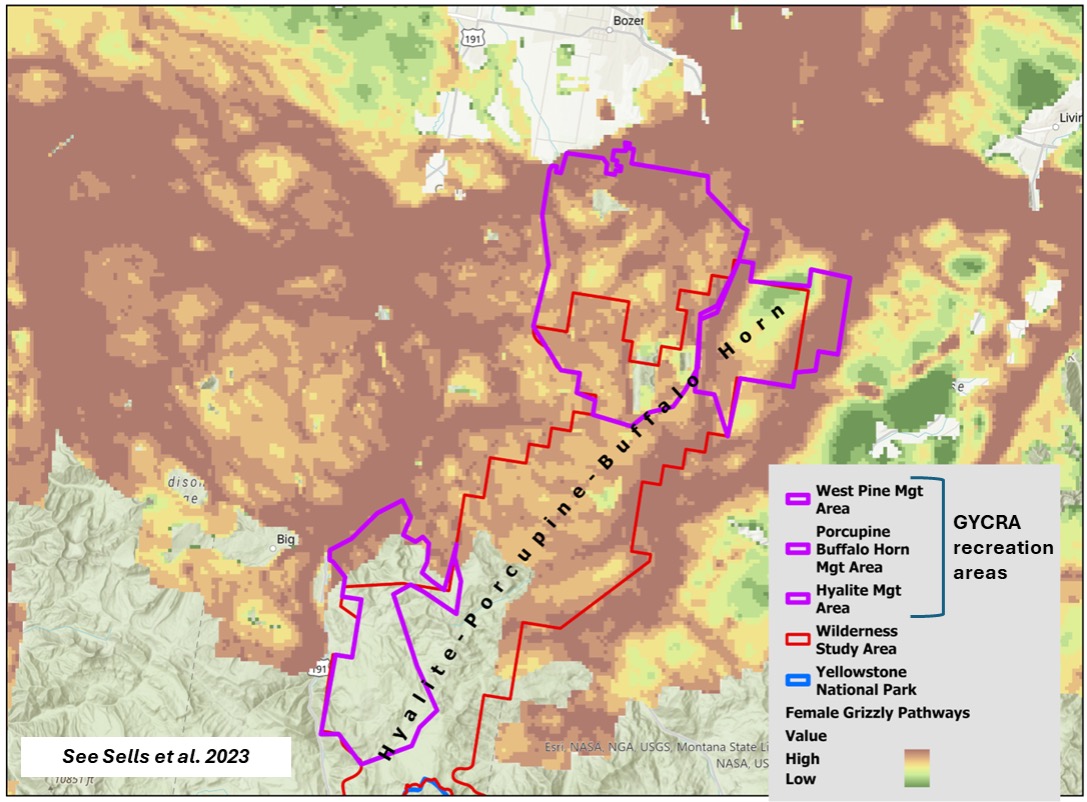
The GYCRA recreation areas would degrade vital grizzly bear connectivity habitat.
The WSA is surrounded by intense human pressure from Big Sky, Bozeman and the Paradise Valley.
The GYCRA recreation areas would degrade vital grizzly bear connectivity habitat.
About Us
Montanans For Wildlife & Wilderness
We are individual Montana citizens, conservationists, business owners, scientists, and journalists, who are intimately familiar with the Gallatin Range. We came together to address concerns regarding the potential loss of the intact Hyalite Porcupine Buffalo Horn Wilderness Study Area. Members recognize the value of the Greater Yellowstone Ecosystem and the need for permanent protection of surrounding WSAs and Inventoried Roadless Areas in the face of southwestern Montana's population explosion and the marketing of the area for industrial recreation regardless of the impact on wilderness and wildlife.
Recent Press
Gallatin Range
A simple message about the Gallatin Range, filmed on the wild Upper Gallatin River
Learn More
Resources
Scientific Assessments
Scientific reference:
Commentary and Letters
More articles and Information:
Contact Us
GREATER YELLOWSTONE ECOSYSTEM
KEEP IT WILD GALLERY
PHOTOS BY TOM MURPHY